

When to Visit Leopard Mountain: A Season-by-Season Safari Guide
Wondering about the best time to visit Leopard Mountain? Every season brings something different to a safari at Leopard Mountain.
Leopard Mountain sits inside Manyoni Private Game Reserve in Zululand, KwaZulu-Natal. The area enjoys a warm, subtropical climate, so there is no bad time for a safari here. However, each season changes the bush, the weather and what you are most likely to see. This guide explains what to expect through the year, so you can choose the best time to visit Leopard Mountain for your own trip.
Best Time to Visit Leopard Mountain: Seasons at a Glance
Broadly speaking, the area has a hot, wet summer and a mild, dry winter. Consequently, the best time to visit depends on what you most want to see.
| Season | Months | Temperatures | What to expect |
|---|---|---|---|
| Summer | Dec – Feb | 24–30°C | Hot and humid, with summer rains and lush green bush |
| Autumn | Mar – May | About 11°C at night to around 30°C by day | Warm days and cooler nights |
| Winter | May – Aug | Average around 20°C | Mild, dry days, ideal for safari |
| Spring | Sep – Nov | Very hot days | High humidity as summer approaches |
Weather can vary from year to year, so pack layers whatever the season.
Best Time to Visit Leopard Mountain for Wildlife
For classic Big 5 sightings, many guests choose the dry winter months from May to August. The grass is shorter and the bush thins out, so animals are easier to spot. In addition, wildlife gathers at waterholes as water becomes scarce. Neighbouring uMkhuze Game Reserve follows the same seasonal pattern.
Winter is also pangolin season. Pangolin tracking runs from April to September, so a winter stay lets you add this rare experience to your safaris.
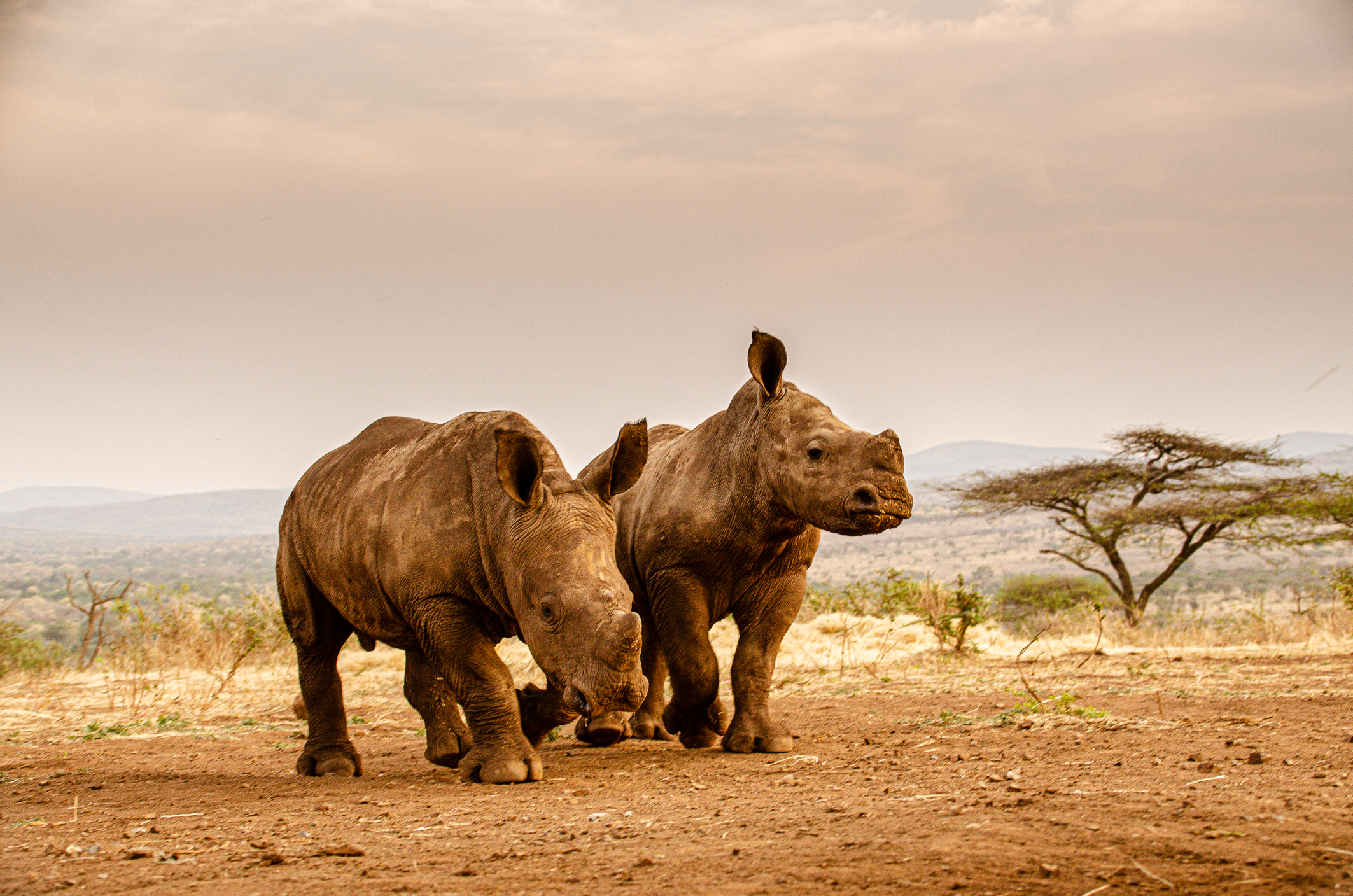
Summer: The Best Time to Visit Leopard Mountain for Birding
In contrast, summer rain turns the reserve green from December to February. Afternoons are often hot and humid. In addition, thunderstorms can roll in later in the day. As a result, the bush is thick and beautiful, and the light is wonderful for photography.
Early summer is also when many antelope, such as impala, give birth. Meanwhile, migrant birds arrive with the rains, which makes this the peak season for birding. For keen birders, this is the season to choose.
Winter at Leopard Mountain: Dry Season Safaris
On the other hand, winter days are usually dry, sunny and mild, averaging around 20°C. Nights and early mornings, however, can drop to about 11°C. Therefore, pack warm layers for the morning and afternoon safaris, which run in open vehicles.
Because there is little rain, safaris are rarely interrupted. On top of that, the clear winter skies are perfect for stargazing after dinner. For many guests, this makes winter the best time to visit Leopard Mountain.
Spring and Autumn: The In-Between Months
Autumn, from March to May, and spring, from September to November, bring warm days and comfortable nights. In autumn, the rains ease while the bush stays green. In spring, by contrast, the first rains arrive and the landscape starts to change again. For many guests, these shoulder months offer the best of both seasons.
What to Pack for Each Season
- All year: neutral colours, a hat, sunglasses, sunscreen, insect repellent and binoculars
- Summer: light, breathable clothing and a lightweight rain jacket
- Winter: a warm jacket, a sweater and a beanie for early morning and evening safaris
So, When Is the Best Time to Visit Leopard Mountain?
In short, it depends on what you want from your safari. For example, choose winter, from May to August, for easier wildlife viewing and pangolin tracking. Alternatively, choose summer, from December to February, for green landscapes, birding and young animals.
Either way, your stay includes two guided safaris a day, with a maximum of six guests per vehicle. Meet the animals in our wildlife guide, check our rates, or contact our reservations team to plan your dates.

