

MANYONI WILDLIFE: THE BIG 5, CHEETAH & PANGOLIN
Leopard Mountain sits on a ridge inside the 23,000-hectare Manyoni Private Game Reserve in Zululand, KwaZulu-Natal. Manyoni wildlife includes the Big 5: lion, leopard, elephant, buffalo and both black and white rhino. Cheetah also roam the reserve, and it is a release site for the shy Temminck’s ground pangolin.
At a glance: You see Manyoni’s wildlife on two guided safaris a day, morning and afternoon, in open vehicles with a maximum of six guests per vehicle. Each drive follows real-time sightings, so no two are the same.
Jump to: Lion · Leopard · Elephant · Buffalo · Rhino · Black Rhino · Cheetah · Pangolin
MANYONI WILDLIFE: THE BIG 5

LION
Africa’s largest cat, and the only one that lives in prides. Because lions are most active in the cool of early morning and late afternoon, the two daily safaris head out at exactly the right time.
LEOPARD
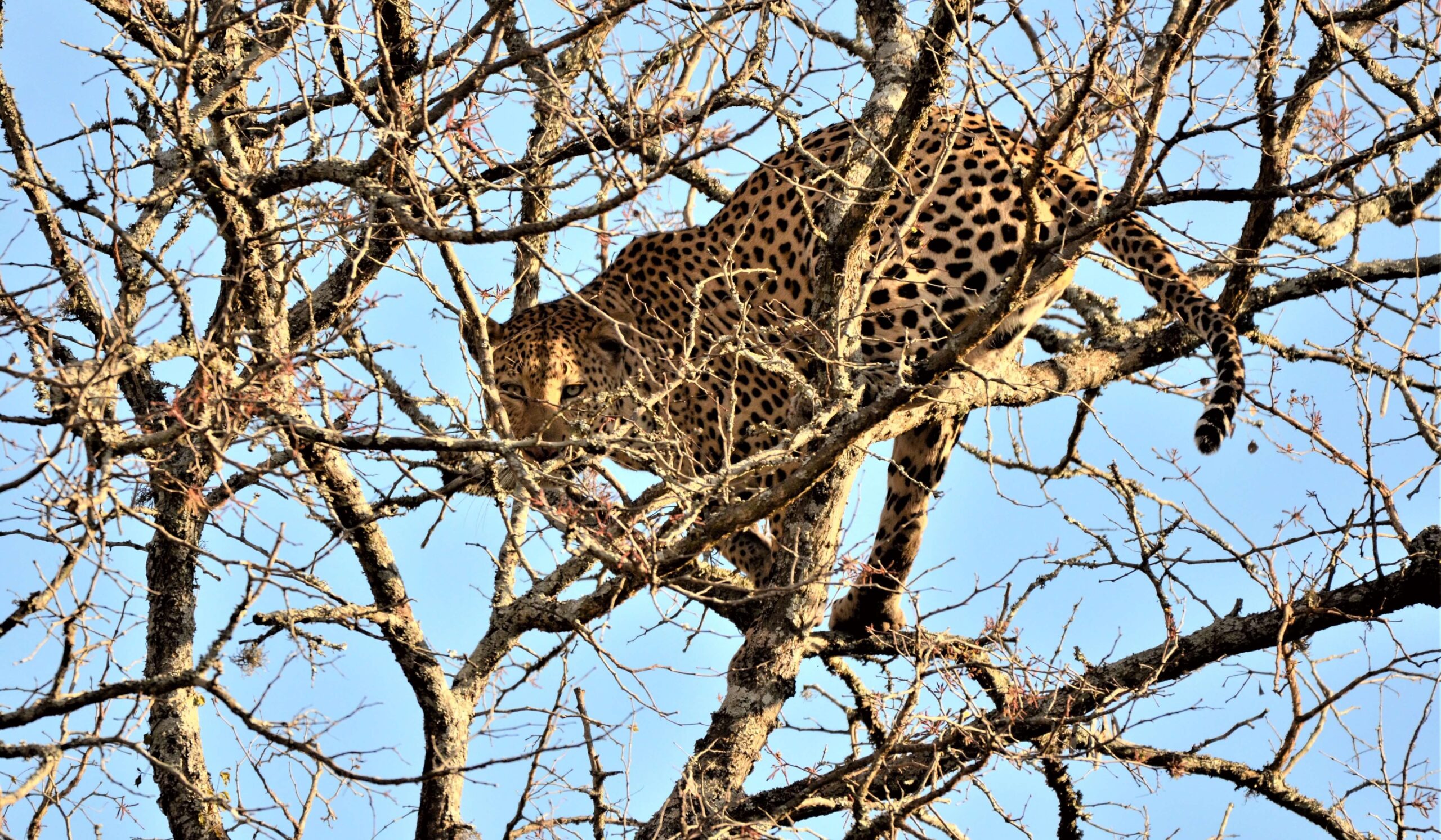
Solitary, secretive and superbly camouflaged, the leopard is one of the most sought-after sightings on any safari. For this reason, rangers read tracks and alarm calls to find them, so every sighting feels earned.

ELEPHANT
The largest land animal on earth. In fact, sitting quietly beside a breeding herd as it feeds and moves through the bush is one of the most memorable moments of any safari.

BUFFALO
Often underestimated, the Cape buffalo is one of the most formidable of the Big 5. Herds move and defend together. Meanwhile, old bulls have a reputation for an unpredictable temper.
RHINO
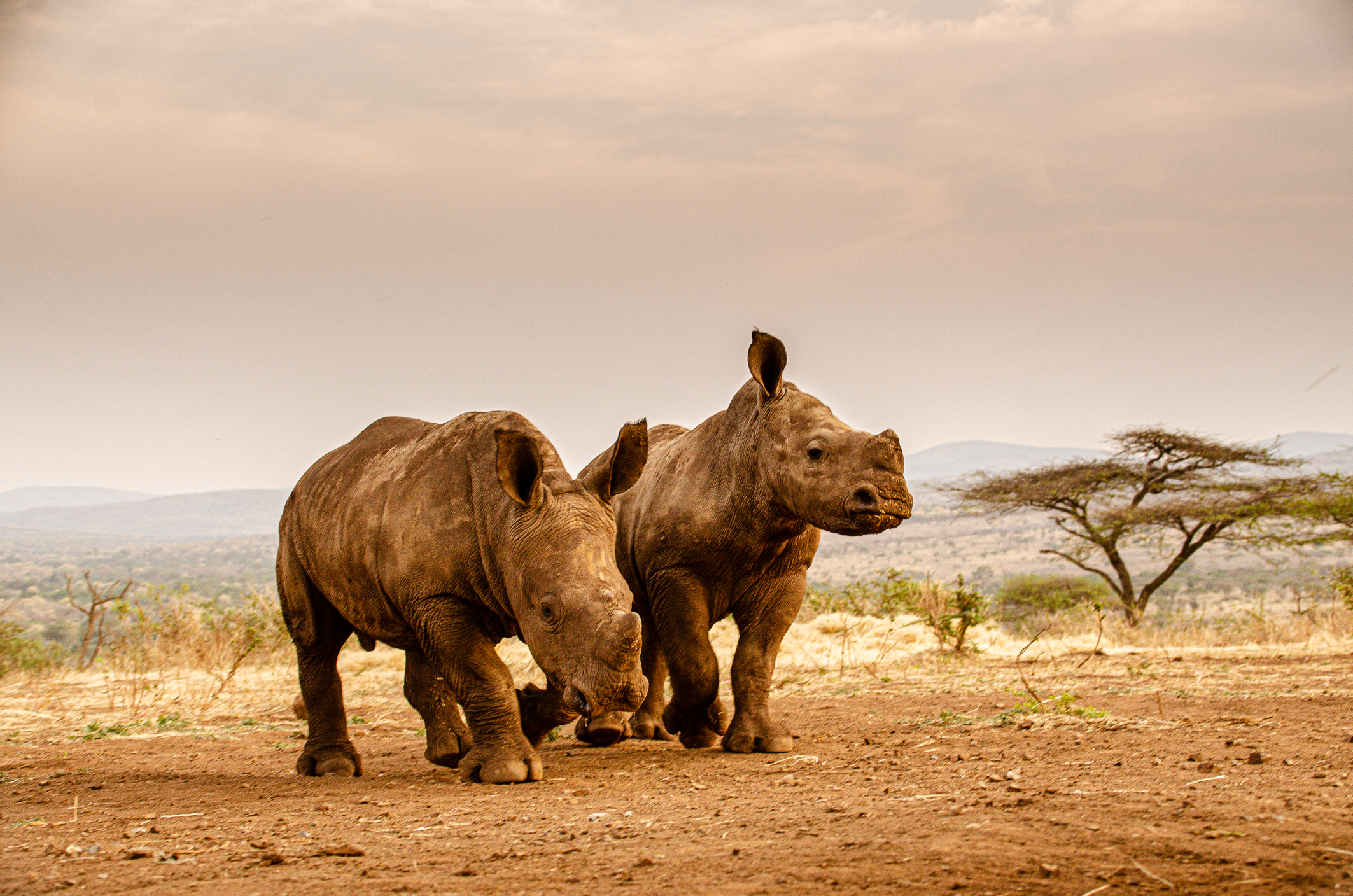
Manyoni protects both white and black rhino. White rhino are grazers with a wide, square lip, while black rhino are smaller browsers with a hooked lip. In addition, both are part of the reserve’s active protection programme.
MANYONI WILDLIFE BEYOND THE BIG 5
BLACK RHINO
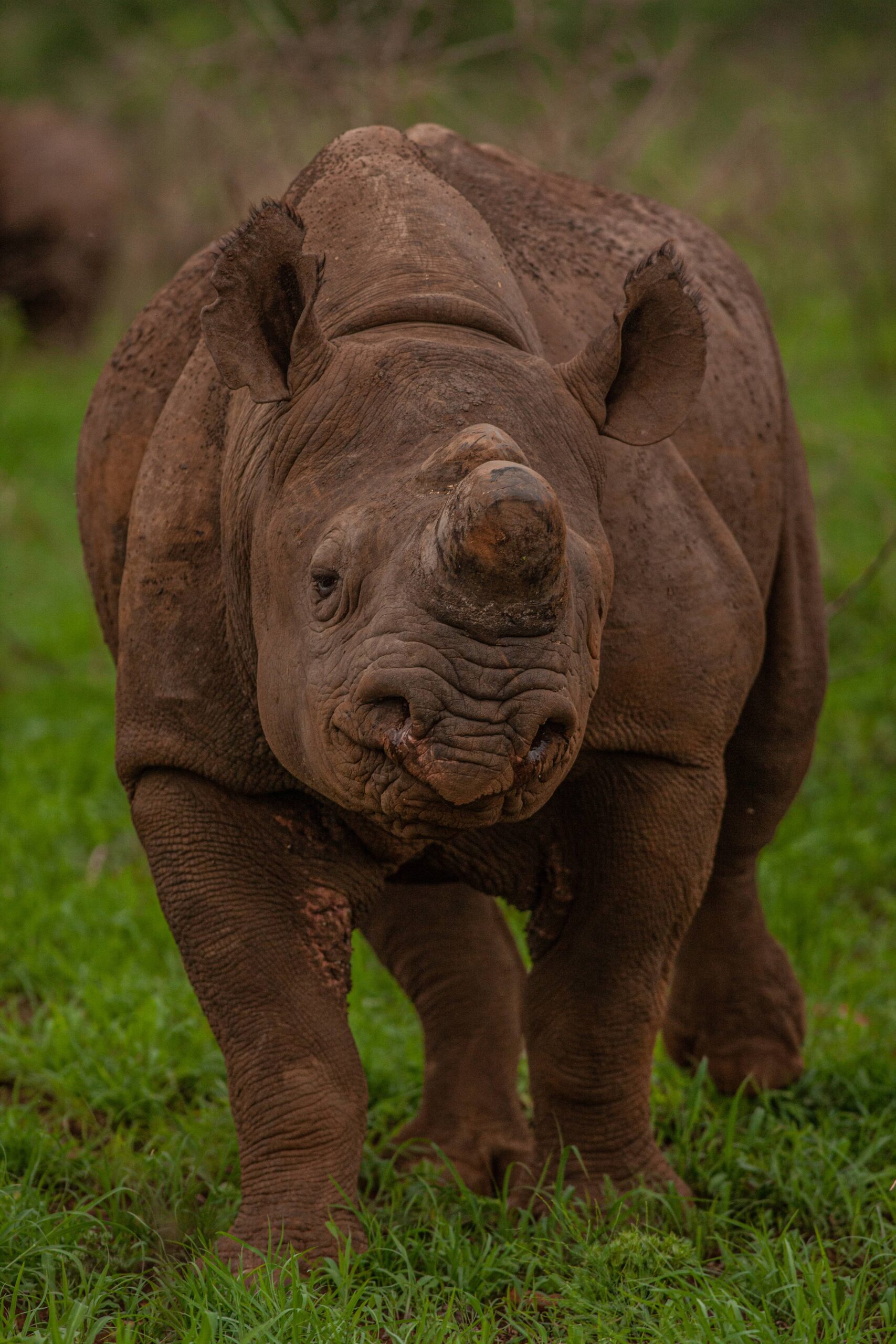
Critically endangered and more solitary than its white cousin, the black rhino is a conservation priority in Manyoni. Guests can also see this work up close through rhino horn trimming and a visit to the Zululand Rhino Orphanage.
CHEETAH
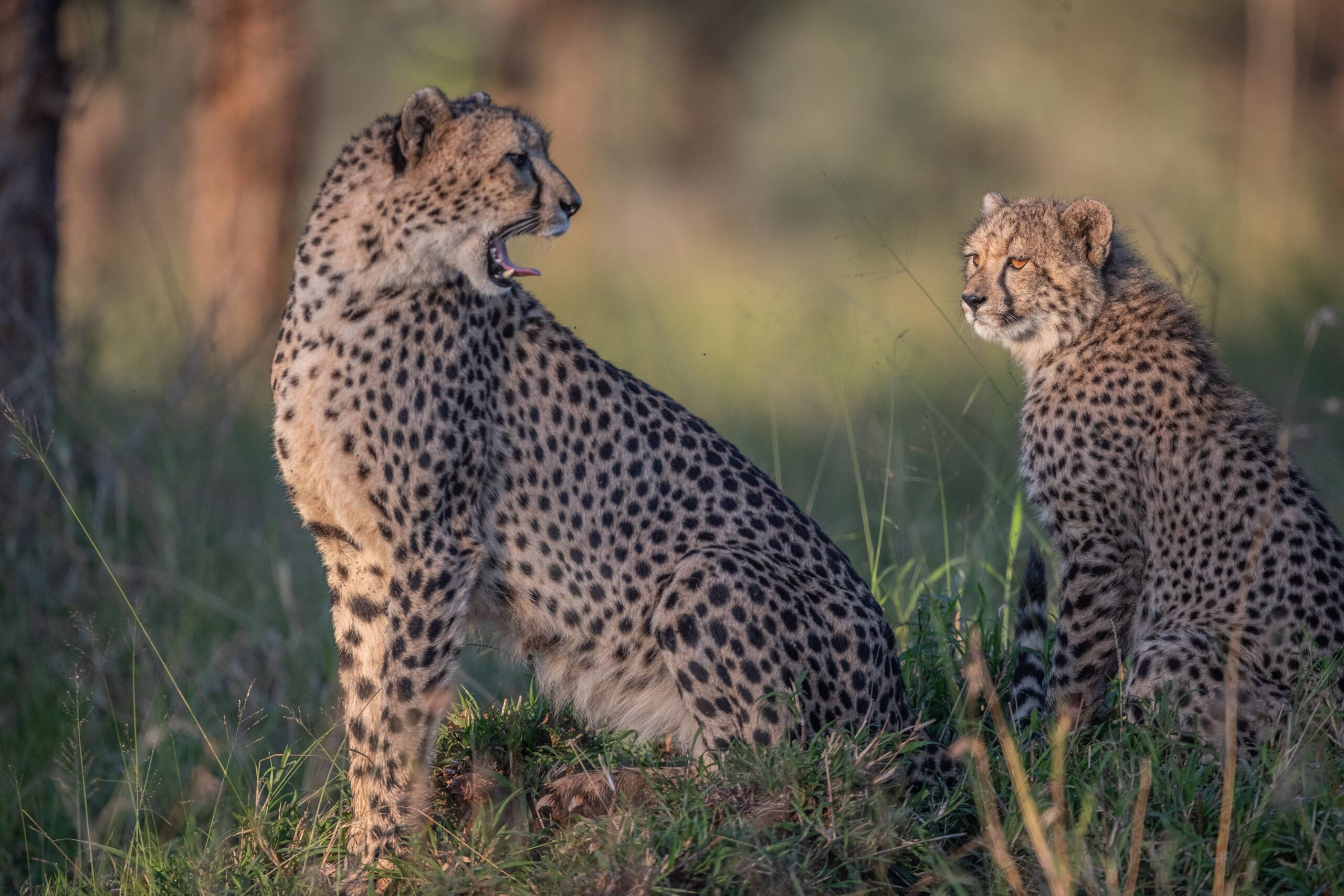
The fastest land animal, built for short bursts of speed across open ground. However, cheetah are a vulnerable species, so Manyoni plays a part in protecting them.

PANGOLIN
Temminck’s ground pangolin is the world’s most trafficked mammal. As a result, Manyoni, in partnership with the Zululand Conservation Trust, is a release site for pangolins rescued from the illegal wildlife trade. Pangolin tracking runs seasonally, from April to September.
MANYONI WILDLIFE AND CONSERVATION
One of South Africa’s most active conservation programmes protects Manyoni’s wildlife. Alongside your two daily safaris, you can also join the people doing this work, from rhino horn trimming to wildlife telemetry tracking and the K9 anti-poaching unit. These experiences are charged separately and arranged through our reservations team.

